How Did David Bowie Use Visual Elements in His Music Videos?

David Bowie Using Visual Elements in His Music Videos

David Bowie used visual elements in his music videos to do much more than illustrate his songs. He created striking characters, unusual settings, bold costumes, dramatic lighting, experimental editing, and symbolic images that turned each video into a small work of art.

Instead of simply performing in front of a camera, Bowie treated music videos as another form of creative expression. His videos helped shape his public identity, introduce new characters, explore ideas about fame and identity, and connect his music with fashion, theater, film, and visual art.

From the colorful glamour of “Life on Mars?” to the surreal imagery of “Ashes to Ashes,” Bowie understood that memorable visuals could make a song more powerful and give it a life beyond the recording.


He Created Strong Visual Characters

One of David Bowie’s most important visual techniques was creating memorable characters. These personas allowed him to explore different personalities, moods, and ideas without being limited to his everyday identity.

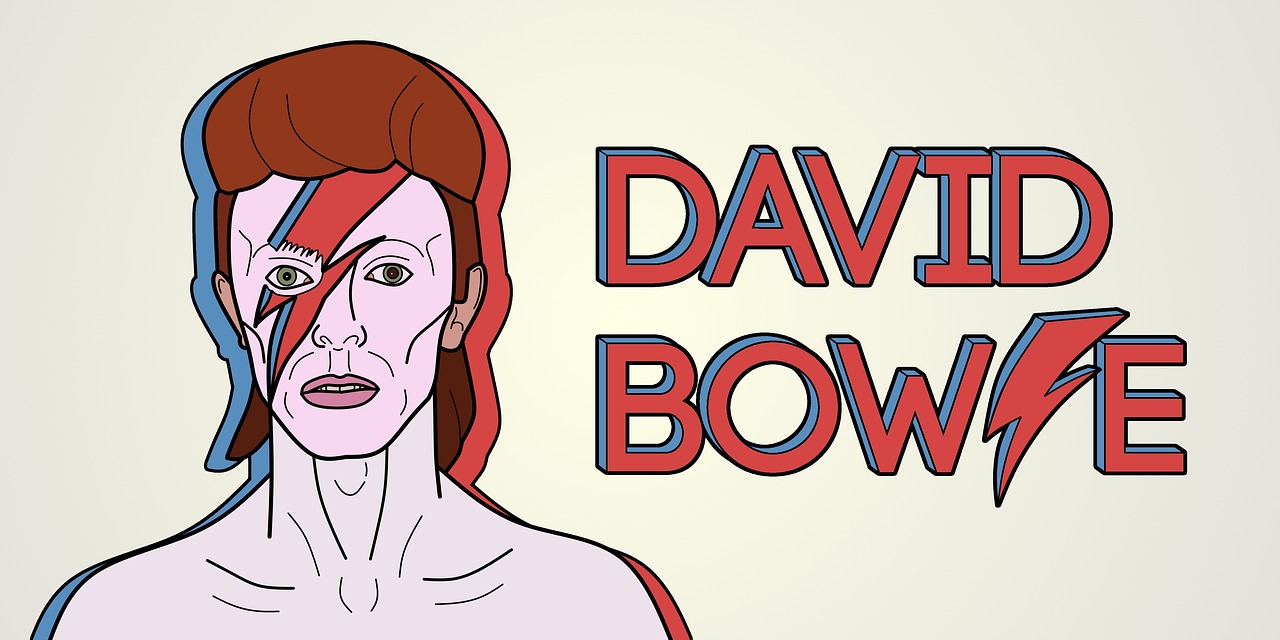
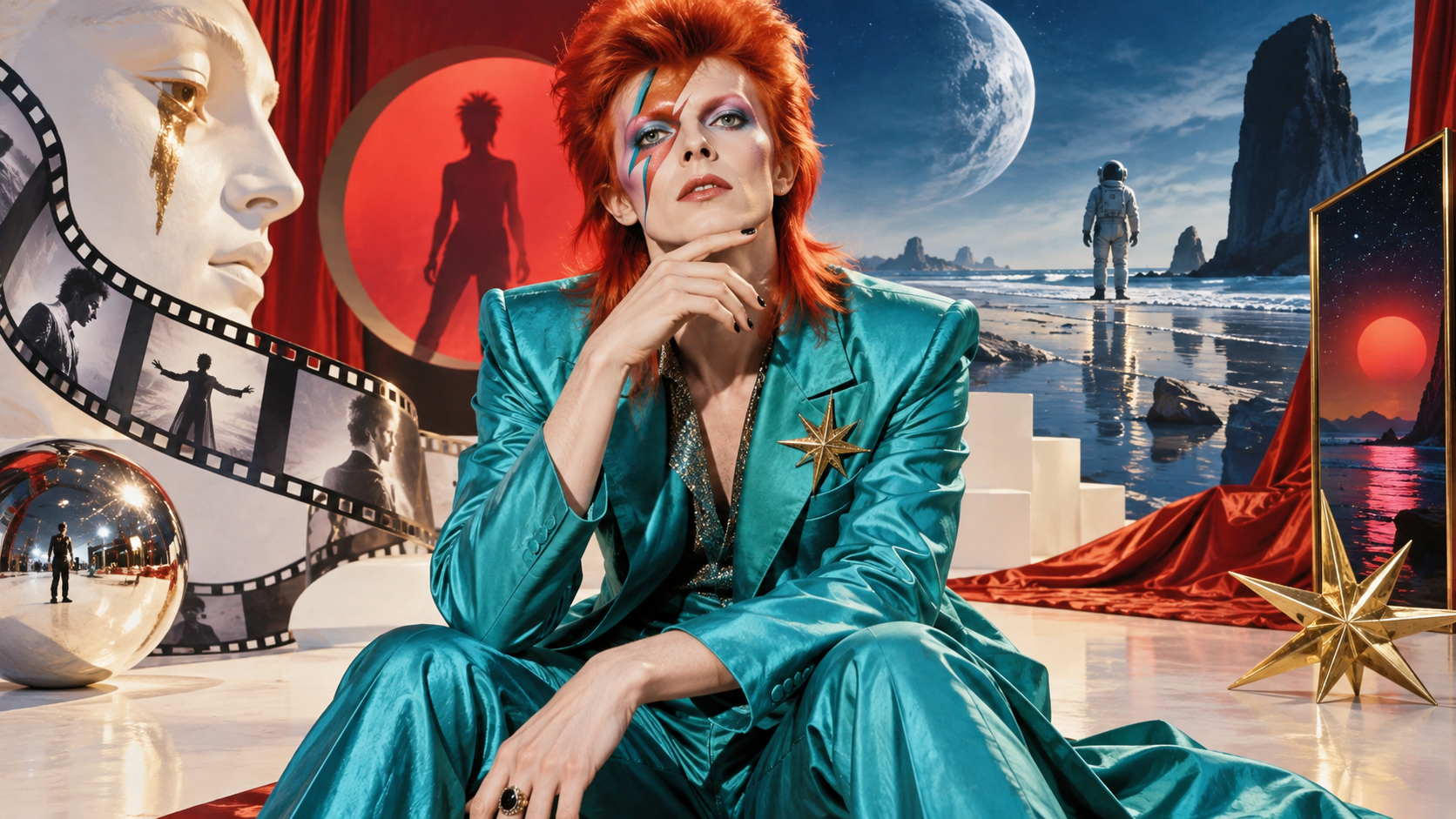
His most famous character was Ziggy Stardust, the glamorous alien rock star introduced during the early 1970s. Ziggy had bright red hair, dramatic makeup, unusual clothing, and an otherworldly presence. Bowie’s music videos and performances used these elements to make him appear less like an ordinary musician and more like a visitor from another world.

Bowie’s characters were not just costumes. They often represented specific themes. Ziggy Stardust explored fame, performance, sexuality, and the relationship between an artist and an audience. The Thin White Duke, another Bowie persona, presented a colder and more controlled image. Major Tom represented isolation, technology, and emotional distance.

By using different identities, Bowie made his videos feel like scenes from a larger story. Viewers were encouraged to ask who the character was, what the character represented, and how the character connected to the song.

In “Ashes to Ashes,” Bowie appeared as several different figures, including an astronaut, a clown-like Pierrot, and an inmate in a padded room. These images connected the song to his earlier Major Tom character while also suggesting confusion, emotional struggle, and personal change. The video did not offer one simple explanation. Instead, the changing characters reflected the song’s mysterious and fragmented mood.

This approach made Bowie’s videos visually interesting and emotionally complex. A viewer could enjoy the costumes and makeup at first, then notice the deeper symbolism after watching the video again.


He Used Fashion as a Storytelling Tool

Fashion played a central role in Bowie’s music videos. His clothing was often unusual, theatrical, and carefully chosen to communicate something about the song.

Bowie used colorful suits, flowing garments, platform shoes, tailored jackets, space-inspired outfits, and exaggerated accessories. These clothes helped him create a visual identity that audiences could recognize immediately. They also made his videos feel closer to theater or fashion photography than to traditional concert footage.

For “Life on Mars?”, Bowie wore a distinctive turquoise suit against a plain white background. The suit immediately attracted attention because of its bright color and clean shape. His heavy makeup added to the dramatic effect. The simple setting placed all the focus on Bowie’s face, clothing, and performance.

The video was directed and filmed by photographer Mick Rock, who had previously worked with Bowie on other promotional films. Bowie’s turquoise suit and makeup became central visual features because they transformed a relatively simple studio performance into a highly recognizable image.

The white background also mattered. It removed distractions and made Bowie appear almost like a painted figure or fashion model. The contrast between the plain background and the vivid suit created a clean, memorable composition.

Bowie’s fashion choices also helped challenge traditional ideas about masculinity. He wore makeup, bold colors, unusual silhouettes, and clothing that did not fit neatly into conventional categories. His style made personal identity appear flexible and creative.

This was especially important during a period when rock musicians were often expected to project a tough, traditionally masculine image. Bowie instead showed that an artist could use fashion to perform identity and question social expectations.

His clothing also made his videos easy to remember. A strong visual detail, such as a turquoise suit or a Pierrot costume, can stay in the audience’s mind long after the song ends.


He Made Makeup Part of the Message

Makeup was another major part of Bowie’s visual language. He used cosmetics not simply to look glamorous but to create a character, change his appearance, and communicate emotion.

During the Ziggy Stardust era, Bowie used bright colors, sharp lines, pale skin, and dramatic eye makeup. His appearance made him look both human and alien. The makeup suggested that his identity was deliberately constructed, much like a stage performance.

For the “Life on Mars?” video, Bowie wore heavy makeup created by Pierre LaRoche. Together with the turquoise suit, the makeup gave his face a bold, almost illustrated quality.

The result was not a naturalistic performance. Bowie looked like a figure from a painting, a fashion magazine, or a surreal stage production. This helped match the song’s dreamlike atmosphere.

In later videos, the makeup became darker or more theatrical. The Pierrot appearance in “Ashes to Ashes” used white face makeup and a pointed costume to create a sad, exaggerated clown-like figure. Pierrot traditionally suggests loneliness, innocence, and emotional vulnerability. Bowie used that visual association to add another layer to the song.

His makeup often blurred the boundary between performer and character. The audience was not always meant to see Bowie as himself. Instead, viewers saw a figure shaped by color, costume, lighting, and performance.


He Used Color to Create Mood

Color was one of Bowie’s most effective visual tools. He understood that colors could influence how viewers felt before they understood the meaning of the lyrics.

Bright colors often appeared in his glamorous or energetic videos. Turquoise, red, gold, orange, and electric blue created a sense of excitement and artificial beauty. These colors matched the theatrical nature of his music and helped establish the atmosphere of each era.

In “Life on Mars?”, the bright turquoise suit became the dominant color. The white background made the color appear even stronger. The combination created an image that felt clean, modern, and dreamlike.

“Ashes to Ashes” used color in a much more experimental way. The video featured solarized images, intense color changes, and unusual visual effects. Solarization can partially reverse or alter the normal appearance of tones and colors, creating an image that looks unnatural and otherworldly. The video also used a black sky effect and a highly manipulated color palette.

These effects made the world of the video seem unstable. The beach, costumes, and characters did not look entirely real. They appeared to exist somewhere between a dream, a memory, and a television fantasy.

The contrast between saturated color and black-and-white imagery also created emotional tension. Bright scenes could feel energetic but unsettling, while darker or monochrome scenes could appear more serious and isolated.

Bowie used color almost like a musical instrument. Just as a song can shift from a quiet verse to a powerful chorus, a video can change from soft colors to intense flashes. These visual shifts help guide the audience’s emotional response.


He Combined Reality With Surrealism

Many of Bowie’s music videos blend ordinary settings with strange or dreamlike images. This combination makes the videos feel familiar and unfamiliar at the same time.

A beach, studio, room, street, or stage may begin as an ordinary location. Bowie then changes its meaning through costumes, editing, lighting, props, or visual effects.

In “Ashes to Ashes,” the beach setting appears open and natural, but the characters and imagery make it feel like another world. Bowie’s Pierrot costume, the black sky, religious-looking figures, and unusual machinery create a scene that does not follow normal reality.

The video also includes images related to Major Tom, including a space suit and a padded room. These images connect different parts of Bowie’s creative history while making the story feel fragmented. Rather than presenting a straightforward plot, the video moves through a series of symbolic moments.

This non-linear approach was unusual compared with simple performance videos. Instead of showing one event from beginning to end, Bowie presented a collection of images that viewers had to interpret.

The result was similar to a dream. Dreams often combine unrelated people, places, and memories. Bowie used that structure to express uncertainty and emotional complexity.

His surrealism was also playful. The imagery could be strange without becoming completely inaccessible. Viewers could enjoy the unusual costumes and colorful scenes even if they did not identify every reference.


He Treated the Camera as Part of the Performance

Bowie’s performance style was closely connected to the camera. He rarely behaved as though he were simply recording a live concert. He used facial expressions, controlled movements, eye contact, and poses to create a direct relationship with the viewer.

In “Life on Mars?”, the camera stays focused on Bowie’s upper body and face. His performance is restrained but dramatic. He looks directly at the audience, allowing his makeup, expression, and clothing to carry much of the visual impact.

This close focus creates a sense of intimacy. Although the setting is simple, Bowie’s face becomes the main visual event. Small changes in expression feel important because there are few other elements competing for attention.

In other videos, Bowie uses more physical movement. He may walk, turn, gesture, or perform with theatrical exaggeration. These movements make him appear like an actor playing a role rather than a singer simply delivering a song.

His camera awareness also helped reinforce his control over his image. He understood that every gesture could become part of the character. A glance, a pose, or a change in posture could communicate confidence, sadness, danger, or mystery.

This careful performance style influenced later music videos, especially those created for artists who wanted to build a strong visual identity around their music.


He Used Lighting to Shape His Identity

Lighting helped Bowie control the mood and appearance of his videos. It could make him look glamorous, mysterious, vulnerable, artificial, or threatening.

Bright, even lighting made his makeup and clothing easy to see. This technique worked especially well in “Life on Mars?”, where the white background and strong studio lighting created a clean, almost photographic appearance.

More dramatic lighting created shadows and contrast. Darker scenes could make Bowie look isolated or mysterious, while strong highlights could emphasize the theatrical quality of his face.

Bowie’s videos often used lighting that felt intentionally artificial. This was appropriate because his characters were not meant to appear completely natural. They belonged to a world of performance, celebrity, fantasy, and transformation.

In “Ashes to Ashes,” the manipulated colors and surreal lighting make the characters appear almost unreal. The lighting does not merely illuminate the scene; it changes the scene’s emotional meaning.

A brightly lit figure may seem exposed, while a shadowed figure may appear secretive. A white costume may suggest innocence in one context and emotional emptiness in another.

By controlling the light, Bowie helped viewers understand how to feel about a character without explaining everything through words.


He Used Editing to Create Meaning

Bowie’s music videos often relied on fast cuts, sudden changes, repeated images, and unexpected transitions. Editing helped him create rhythm and emotional movement.

Instead of following a simple narrative, the images may appear in a sequence based on association. One image leads to another because of a shared color, shape, character, or idea rather than because of a traditional plot.

This technique is especially visible in “Ashes to Ashes.” The video moves between Bowie’s different characters, unusual locations, color treatments, and visual effects. The rapid changes mirror the song’s shifting emotional tone.

The editing can feel playful, confusing, or unsettling. That uncertainty is part of the point. The viewer is not given a complete answer but is invited to connect the images personally.

Visual editing also allowed Bowie to connect different periods of his career. References to Major Tom linked “Ashes to Ashes” with “Space Oddity,” but the new video presented the character in a very different emotional and visual context.

The earlier space hero had become a troubled and ambiguous figure. Through editing and repetition, Bowie transformed an old character into a symbol of personal history and change.

This is one reason his videos rewarded repeated viewing. The first viewing might make an impression through color and costume. Later viewings could reveal connections between images and songs.


He Used Props and Locations Symbolically

Props and locations in Bowie’s videos often had meaning beyond their practical purpose. They helped create a world around the song and gave the audience visual clues.

In “Ashes to Ashes,” the beach is not simply a place where the video was filmed. It becomes a strange, symbolic landscape. The open space suggests freedom, but the unusual figures and dark visual treatment make it feel emotionally heavy.

The video also features a bulldozer and scenes connected to a padded room and an exploding kitchen. These images make the video feel like a collection of memories, references, and fragments. They add to the sense that the song is examining the past while refusing to present it in a simple way.

The padded room suggests confinement and mental distress. The space imagery recalls Major Tom. The group of followers creates a ceremonial or religious atmosphere. Together, these elements form a visual story about isolation, identity, fame, and self-invention.

Bowie often selected locations that created contrast. A glamorous character might appear in a plain studio. A futuristic figure might appear in an ordinary environment. A theatrical costume might be placed against a natural landscape.

These contrasts made the visuals more memorable because they created visual tension. The audience sees two things that do not seem to belong together, then begins to wonder why they have been combined.


He Connected Music Videos With Film and Theater

Bowie’s music videos borrowed ideas from cinema, theater, fashion photography, painting, and performance art. This mixture helped make them feel richer than straightforward promotional clips.

His use of characters and costumes came from theater. His framing and styling often resembled fashion photography. His strange editing and symbolic images echoed experimental film.

This cross-disciplinary approach matched Bowie’s broader creative interests. He was not limited to one artistic field. He acted in films, performed on stage, worked with photographers, and collaborated with designers and directors.

Because of this background, he understood how visual storytelling worked. He knew that a character could be communicated through costume, that a location could suggest emotion, and that editing could create an impression without explaining every detail.

His videos also understood the power of a single memorable image. A music video does not need to tell a complete story to be effective. Sometimes one strong visual idea is enough to make a song unforgettable.

The image of Bowie in a turquoise suit, the Pierrot figure on the beach, and the dramatic makeup of the Ziggy era all became closely connected to the music. These visuals helped audiences remember the songs and the artist.


He Challenged Traditional Ideas About Identity

Bowie’s visual work often questioned the idea that identity must remain fixed. He changed his appearance, voice, clothing, behavior, and character from one era to another.

His music videos presented identity as something that could be performed, redesigned, and explored. This was one of the reasons his work connected with audiences who felt different or restricted by traditional expectations.

Bowie could appear masculine and feminine, human and alien, glamorous and damaged, confident and vulnerable. These combinations made his characters difficult to classify.

His visual choices encouraged viewers to think differently about gender, sexuality, celebrity, and self-expression. Rather than presenting one permanent image of himself, Bowie showed that people could contain many sides.

This idea was especially powerful because music videos reached audiences through television and later through home video and online platforms. His unusual appearance entered popular culture and gave viewers a new kind of role model.

He also showed that reinvention could be an artistic strength. Changing one’s appearance did not mean losing authenticity. For Bowie, transformation was part of the creative process.


He Made Videos That Matched the Music’s Emotion

Although Bowie’s videos were visually ambitious, the images were usually connected to the emotional character of the song.

A romantic or dreamlike song could receive elegant styling and controlled camera work. A tense or unsettling song might use sharp editing, strange angles, or distorted colors.

The video for “Life on Mars?” feels theatrical and emotionally focused. Bowie’s direct performance, bright suit, makeup, and plain backdrop keep attention on the song’s dramatic delivery.

“Ashes to Ashes,” by contrast, feels fragmented and psychologically complicated. Its unusual visual effects, multiple characters, and non-linear structure match the song’s themes of memory and uncertainty.

This connection between sound and image is important. A video should not merely add random decoration. The strongest visual elements reinforce the mood, message, or personality of the music.

Bowie understood this balance. Even when his imagery was unusual, it generally felt connected to the song’s atmosphere.


His Visual Style Influenced Later Artists

Bowie helped establish the music video as an important part of an artist’s identity. He showed that a video could introduce a character, create a visual world, and become as memorable as the song itself.

Later artists adopted similar approaches by using costumes, choreography, makeup, symbolic locations, and cinematic storytelling. Many performers also began treating music videos as major creative projects rather than simple recordings of a performance.

Bowie’s influence can be seen in artists who regularly reinvent their image or build complete visual eras around albums. His work helped make it normal for musicians to use fashion, design, and performance art as part of their musical presentation.

He also demonstrated the value of consistency. A strong visual idea can support an album, a tour, promotional photography, and live performances. Bowie’s characters often appeared across several forms of media, creating a unified creative identity.

At the same time, he avoided repeating himself too closely. Each era introduced something different. The visuals changed because the music and artistic goals changed.


Why David Bowie’s Music Videos Still Matter

David Bowie’s music videos remain important because they combine entertainment with artistic exploration. They are colorful, theatrical, strange, and often open to multiple interpretations.

He used visual elements to answer several questions at once:

  • Who is this character?
  • What does the character represent?
  • How does the clothing shape the audience’s impression?
  • What emotions are created by the color and lighting?
  • Why has this location or object been included?
  • How does the editing change the meaning of the song?

His videos did not always provide clear answers. Instead, they encouraged curiosity. A viewer could enjoy them as stylish performances, but also study them as visual stories.

Bowie’s greatest strength was his willingness to experiment. He did not treat music videos as secondary material. He used them to expand the meaning of his songs and create images that audiences could remember for decades.


David’s Visual Elements

David Bowie used visual elements in his music videos to build characters, express emotion, challenge social expectations, and turn songs into complete visual experiences. He combined theatrical costumes, dramatic makeup, bold color, unusual lighting, symbolic props, surreal locations, and experimental editing.

His approach made each video feel like more than a performance. It became a carefully designed world with its own mood, identity, and visual language.

“Life on Mars?” showed how a simple studio setting could become unforgettable through color, makeup, fashion, and direct performance. “Ashes to Ashes” demonstrated how surreal imagery, changing characters, visual effects, and fragmented editing could create a mysterious story connected to Bowie’s past.

By treating the camera, costume, and editing room as creative instruments, Bowie changed how musicians could present themselves. His music videos continue to stand out because they do not simply show the artist singing. They invite the audience into a world that is stylish, imaginative, and always slightly unexpected.
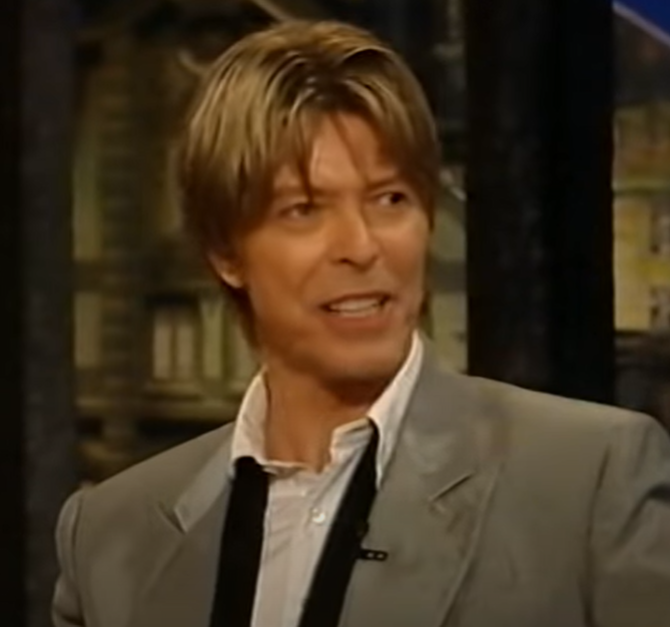
Did David Bowie sing Freddie Mercury?

David Bowie and Freddie Mercury were both iconic musicians and performers who were known for their distinctive singing voices and stage personas. While they never officially collaborated on a full album or tour together, they did perform together on a number of occasions, and their legendary live performances remain some of the most memorable moments in rock history.

One of the most famous collaborations between Bowie and Mercury was their performance of the song “Under Pressure.” The song was originally recorded by Queen and David Bowie in 1981, and it features a duet between Bowie and Mercury that is now considered one of the greatest vocal performances of all time.

“Under Pressure” was a commercial and critical success, and it remains one of the most popular songs in both Bowie’s and Queen’s catalogs. The song’s lyrics and themes of anxiety and social pressure resonate with audiences to this day, and its powerful vocal performances continue to inspire and move listeners around the world.

In addition to “Under Pressure,” Bowie and Mercury also performed together on a number of other occasions. They famously performed a rendition of “Heroes” at the 1992 Freddie Mercury Tribute Concert, which was held in honor of Mercury’s memory following his death from AIDS-related complications the previous year. The performance was widely praised for its energy and emotion, and it remains a testament to the enduring legacy of both Bowie and Mercury.

Bowie and Mercury were both known for their flamboyant stage personas and their willingness to experiment with fashion and style. They both helped to redefine what it meant to be a rock star, and their influence can still be seen in the music and fashion of today.

Despite their similarities, Bowie and Mercury had very different singing styles. Bowie was known for his versatile and emotive voice, which could range from a whisper to a scream and back again. He was known for his use of vibrato and other unconventional vocal techniques, which helped to create a sense of intimacy and vulnerability in his music.

Mercury, on the other hand, was known for his powerful and operatic singing style. He had a four-octave vocal range and a powerful, soaring voice that was capable of reaching incredible heights of emotion and intensity. He was a master of showmanship and stagecraft, and his performances were often marked by their energy and theatricality.

In conclusion, David Bowie and Freddie Mercury were two of the greatest musicians and performers of all time, and their collaborations remain some of the most memorable moments in rock history. While they never officially recorded an album together, their live performances and collaborations continue to inspire and move fans around the world. Both Bowie and Mercury had unique and distinctive singing styles that helped to define their respective legacies, and their influence can still be heard in the music of today. While they may be gone, their music and performances continue to live on, and their contributions to the world of music will never be forgotten.

What Was David Bowie’s Most Successful Song?

David Bowie’s long and illustrious career was marked by numerous hit songs, but one track stands out as his most successful: “Let’s Dance.” Released in 1983, “Let’s Dance” quickly became a worldwide hit, topping the charts in numerous countries and helping to cement Bowie’s place as one of the most important and influential musicians of the 20th century.

“Let’s Dance” was produced by Nile Rodgers, the legendary guitarist and founder of the funk band Chic. The song marked a departure for Bowie, who had previously been known for his experimental and avant-garde approach to music. “Let’s Dance” was a straightforward pop song, with a catchy melody and a danceable beat that made it an instant hit with fans around the world.

The song’s success was due in part to its memorable music video, which was directed by David Mallet. The video features Bowie performing in front of a crowd of enthusiastic dancers, with his trademark flair and charisma on full display. The video was a perfect match for the upbeat and energetic song, and it helped to further cement “Let’s Dance” as a cultural phenomenon.

“Let’s Dance” was not just a commercial success – it was also critically acclaimed. The song received a Grammy nomination for Best Male Rock Vocal Performance, and it has been included on numerous “best of” lists over the years. Rolling Stone magazine included it on their list of “The 500 Greatest Songs of All Time,” and it is widely regarded as one of Bowie’s most iconic and beloved tracks.

The success of “Let’s Dance” marked a turning point in Bowie’s career. Prior to the release of the song, he had been experiencing a period of creative stagnation, and his music had fallen out of favor with many critics and fans. “Let’s Dance” helped to reignite Bowie’s career, and it introduced him to a whole new generation of fans who were drawn to his infectious energy and undeniable talent.

Despite its success, “Let’s Dance” was not without its detractors. Some critics felt that the song was a sellout, a cynical attempt to cash in on the popularity of 1980s pop music. Others felt that the song lacked the depth and complexity that had been a hallmark of Bowie’s earlier work.

Regardless of these criticisms, “Let’s Dance” remains one of Bowie’s most enduring and beloved songs. Its catchy melody and upbeat energy continue to resonate with fans around the world, and its influence can be felt in countless pop and dance tracks that have followed in its wake.

In conclusion, David Bowie’s most successful song was undoubtedly “Let’s Dance.” Released in 1983, the song quickly became a worldwide hit, topping the charts in numerous countries and helping to reinvigorate Bowie’s career. Its catchy melody and infectious energy continue to make it a beloved classic to this day, and it remains a testament to Bowie’s ability to evolve and adapt as an artist.

What Type of Singing Voice Did David Bowie Have

David Bowie was a singer and songwriter who had a unique and distinctive voice that was instantly recognizable. His voice was marked by its versatility, range, and emotive power, and it helped to make him one of the most important and influential musicians of the 20th century.

One of the defining characteristics of Bowie’s voice was its range. He was capable of hitting both high and low notes, and he could easily shift between different registers. This allowed him to explore a wide variety of musical styles, from the hard rock of “Ziggy Stardust” to the electronic experimentation of “Low.”

Bowie’s voice was also marked by its emotive power. He was able to convey a wide range of emotions through his singing, from the raw, anguished intensity of “The Man Who Sold the World” to the playful, ironic tone of “Life on Mars?” His ability to connect with listeners on an emotional level helped to make him one of the most beloved and influential musicians of his generation.

Bowie’s voice was also known for its distinctive tone and timbre. He often sang in a slightly nasal, affected manner that was both playful and mysterious. This helped to create a sense of intimacy between Bowie and his listeners, and it helped to establish him as one of the most charismatic and enigmatic performers of his time.

Perhaps most importantly, Bowie’s voice was marked by its ability to evolve and adapt over time. Throughout his career, he experimented with a wide variety of vocal styles, from the theatricality of Ziggy Stardust to the stripped-down simplicity of his later albums. He was always willing to take risks and try new things, and his voice reflected this willingness to push boundaries and challenge expectations.

Despite his vocal range and versatility, Bowie was not known for having a conventionally “perfect” singing voice. He often employed unconventional techniques and stylings in his singing, such as the use of vibrato or a breathy, whispered delivery. These quirks and imperfections helped to make his voice all the more distinctive and memorable.

In some ways, Bowie’s voice was a reflection of his approach to music in general. He was never content to rest on his laurels or rely on past successes. Instead, he was always pushing himself to evolve and explore new musical horizons. His voice was a tool that he used to express himself, and he was never afraid to take risks or experiment with new sounds and techniques.

In conclusion, David Bowie had a unique and versatile singing voice that was marked by its range, emotive power, and distinctive tone. He was able to convey a wide range of emotions through his singing, and his willingness to experiment with new vocal styles and techniques helped to make him one of the most important and influential musicians of his time. Despite not having a conventionally “perfect” singing voice, Bowie’s voice remains a beloved and iconic part of his musical legacy, and it continues to inspire and influence musicians and fans around the world.

Did David Bowie Write All His Songs

David Bowie is known for his prolific and varied career as a musician, and he was a songwriter and performer on many of his most iconic hits. However, he did not write all of his songs, and he often collaborated with other artists and writers throughout his career.

Bowie began his career in the 1960s as a songwriter and performer, and he released his debut album, “David Bowie,” in 1967. While he wrote many of the songs on that album, including the hit single “Space Oddity,” he also collaborated with other writers and musicians on some of the tracks.

Throughout the 1970s, Bowie continued to collaborate with other writers and musicians on his albums. He worked closely with guitarist Mick Ronson on many of his early hits, including “Changes,” “Life on Mars?” and “Ziggy Stardust.” He also worked with the producer and musician Brian Eno on several albums in the late 1970s and early 1980s, including “Low,” “Heroes,” and “Lodger.”

Bowie’s collaborations with other artists often resulted in some of his most innovative and influential work. For example, his collaboration with Brian Eno on the “Berlin Trilogy” of albums is widely regarded as some of the most groundbreaking and experimental music of the era.

While Bowie often collaborated with other artists and writers, he also wrote many of his own songs. He was known for his ability to create complex and evocative lyrics, as well as his knack for crafting memorable melodies and hooks.

Some of Bowie’s most famous and enduring hits were written solely by him, including “Heroes,” “Let’s Dance,” and “Space Oddity.” Other songs, such as “Under Pressure,” a collaboration with Queen, were co-written by Bowie and the other artists involved.

In addition to his own original songs, Bowie was also known for his covers of other artists’ songs. He had a particular affinity for covering songs by other artists that he admired, and he often put his own unique spin on these classic tunes.

For example, his cover of the Velvet Underground’s “White Light/White Heat” on his album “Ziggy Stardust” is a raucous and electrifying version of the original, while his cover of the Beatles’ “Across the Universe” on his album “Young Americans” is a soulful and heartfelt take on the classic track.

Bowie’s willingness to collaborate with other artists and to experiment with different styles and genres of music helped to make him one of the most innovative and influential musicians of his time. His songs continue to be celebrated and admired by fans around the world, and his legacy as an artist and cultural icon remains as strong as ever.

In conclusion, while David Bowie did not write all of his songs, he was a prolific songwriter and collaborator throughout his career. His ability to work with other artists and writers, as well as his own original and innovative songwriting, helped to establish him as one of the most important and influential musicians of his time. Bowie’s songs continue to inspire and captivate new generations of fans, and his legacy as an artist and cultural icon remains as strong as ever.

Did David Bowie Write a Song for Elvis

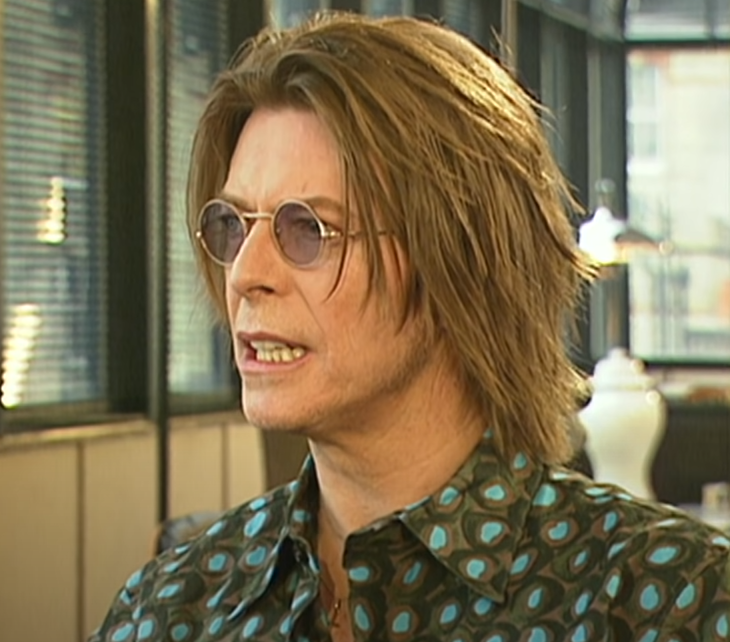
David Bowie 1990 Interview

David Bowie was a prolific songwriter and performer, known for his eclectic and innovative approach to music. Over the course of his career, he wrote and recorded many memorable songs, collaborating with a wide range of artists and musicians. One of the lesser-known stories about David Bowie’s career is his connection to the King of Rock and Roll, Elvis Presley.

While Bowie never wrote a song specifically for Elvis, he did record a song that was originally intended for the legendary performer. The song in question is “Golden Years,” which Bowie wrote and recorded in 1975. According to legend, Bowie wrote the song with Elvis in mind, hoping that the King would record it and take it to the top of the charts.

Unfortunately, Elvis never had the opportunity to record “Golden Years.” At the time Bowie wrote the song, Presley was struggling with his health and his career, and he would pass away just two years later, in 1977. While it’s unclear whether Presley was ever aware of Bowie’s song or had any interest in recording it, the story of Bowie’s connection to the King of Rock and Roll has become a fascinating footnote in the history of popular music.

Despite the fact that “Golden Years” was never recorded by Elvis, the song went on to become one of Bowie’s biggest hits. It was released as a single in late 1975, and quickly climbed the charts, reaching number ten on the US Billboard Hot 100 and number eight on the UK Singles Chart. The song’s funky rhythm and catchy chorus made it an instant classic, and it remains one of Bowie’s most popular and beloved songs to this day.

While “Golden Years” may have been written with Elvis in mind, it was ultimately Bowie’s own unique style and vision that brought the song to life. Bowie’s ability to blend different musical styles and genres, from funk and soul to rock and pop, helped to make “Golden Years” a timeless classic that still resonates with audiences today.

In addition to “Golden Years,” Bowie also had other connections to Elvis over the course of his career. One of the most notable examples is his appearance in the 1976 film “The Man Who Fell to Earth,” in which he played an alien who takes on the persona of a human entrepreneur. The film was directed by Nicolas Roeg, who had previously directed Elvis in the 1960 film “G.I. Blues.”

Bowie’s connection to Elvis is just one example of the many ways in which he was influenced and inspired by the musicians who came before him. Throughout his career, Bowie drew on a wide range of musical styles and genres, from the glam rock of his Ziggy Stardust persona to the electronic experimentation of his later albums.

While he may not have written a song specifically for Elvis, Bowie’s music and career were deeply influenced by the King of Rock and Roll, as well as by many other musical legends of the past. His ability to take these influences and turn them into something new and innovative helped to establish him as one of the most important and influential musicians of his time, and his music continues to inspire and captivate audiences around the world today.

In conclusion, while David Bowie did not write a song specifically for Elvis, he did record “Golden Years,” a song that he had originally written with the King of Rock and Roll in mind. While Elvis never had the chance to record the song himself, Bowie’s unique style and vision helped to make it a classic that still resonates with audiences today. Bowie’s connection to Elvis is just one example of the many ways in which he was influenced and inspired by the musicians who came before him, and his ability to blend these influences into something new and innovative helped to establish him as one of the most important and influential musicians of his time.

Read related articles from link below:

https://faroutmagazine.co.uk/david-bowie-song-for-elvis-presley-golden-years/

https://www.express.co.uk/entertainment/music/1495446/david-bowie-elvis-presley-golden-years

What Are Some Songs by David Bowie

David Bowie singing Modern Love

David Bowie was one of the most influential and innovative musicians of the 20th century. Over the course of his long and illustrious career, he created a vast and diverse body of work that spanned a wide range of genres and styles. Here are some of his most famous and iconic songs:

“Space Oddity” – Released in 1969, “Space Oddity” is one of Bowie’s most famous songs. It tells the story of an astronaut named Major Tom, who becomes lost in space. The song’s haunting melody and imaginative lyrics captured the public’s imagination and established Bowie as a unique and visionary songwriter.

“Heroes” – Released in 1977, “Heroes” is one of Bowie’s most beloved songs. It tells the story of two lovers who meet at the Berlin Wall and decide to be together, despite the political and social barriers between them. The song’s uplifting chorus and powerful lyrics have made it a timeless classic.

“Changes” – Released in 1971, “Changes” is a song about the constant evolution of life and the need to adapt to changing circumstances. Its catchy melody and memorable lyrics have made it one of Bowie’s most enduring hits.

“Let’s Dance” – Released in 1983, “Let’s Dance” is a funky, upbeat song that features a driving beat and infectious guitar riffs. Its catchy chorus and energetic rhythm made it a massive hit around the world.

“Life on Mars?” – Released in 1971, “Life on Mars?” is a surreal and thought-provoking song about the possibility of life on other planets. Its haunting melody and poetic lyrics have made it one of Bowie’s most enduring and beloved songs.

“Ziggy Stardust” – Released in 1972, “Ziggy Stardust” is a song about a fictional rock star who becomes a cult hero and ultimately meets a tragic end. Its catchy guitar riffs and dramatic storyline helped to establish Bowie as a visionary songwriter and performer.

“Rebel Rebel” – Released in 1974, “Rebel Rebel” is a rollicking, guitar-driven song that features Bowie’s trademark swagger and attitude. Its catchy chorus and infectious guitar riff have made it a classic rock anthem.

“Fame” – Released in 1975, “Fame” is a funky, disco-inspired song that features Bowie’s distinctive voice and a driving beat. Its catchy chorus and infectious rhythm helped to make it one of Bowie’s most successful and enduring hits.

“Golden Years” – Released in 1975, “Golden Years” is a smooth, soulful song that features Bowie’s unique vocal style and a jazzy, funky beat. Its memorable chorus and lush instrumentation have made it a favorite of Bowie fans and music lovers alike.

“Modern Love” – Released in 1983, “Modern Love” is a high-energy, synth-driven song that features Bowie’s distinctive voice and a catchy chorus. Its upbeat rhythm and catchy melody have made it a staple of 80s pop culture.

These are just a few of the many iconic songs that David Bowie created over the course of his long and illustrious career. Each one of them is a testament to Bowie’s creativity, vision, and enduring legacy as one of the greatest musicians and songwriters of all time.

What Sort of Music Was David Bowie Known For

David Bowie was one of the most influential musicians of the 20th century, known for his innovative approach to music and his ability to push boundaries in terms of style and genre. Over the course of his career, Bowie experimented with a wide range of musical styles, from rock and pop to funk, soul, and electronic music. His ability to adapt and evolve with the times made him a true pioneer of modern music.

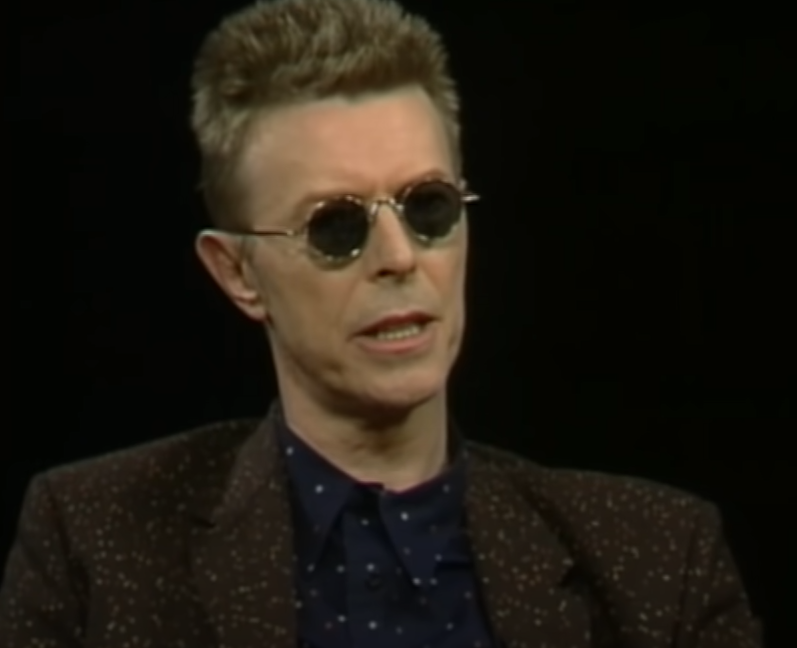
screenshot from BBC Newsnight interview 1999 https://youtube.com/watch?v=FiK7s_0tGsg

Bowie first rose to fame in the late 1960s with his early albums, which were heavily influenced by folk and rock music. His early work drew comparisons to artists like Bob Dylan and Marc Bolan, but Bowie quickly established himself as a unique voice in the world of music. His 1971 album “Hunky Dory” is considered a classic, with songs like “Changes” and “Life on Mars?” showcasing his lyrical and musical talents.

Throughout the 1970s, Bowie continued to evolve as an artist, experimenting with different styles and genres. He became known for his use of characters and alter egos, including Ziggy Stardust, the Thin White Duke, and Aladdin Sane. Each persona was accompanied by a different musical style, ranging from glam rock to soul and funk. Bowie’s ability to seamlessly switch between these different styles made him a true innovator in the world of music.

Perhaps Bowie’s most famous album is “The Rise and Fall of Ziggy Stardust and the Spiders from Mars,” released in 1972. The album tells the story of Ziggy, an androgynous rock star who comes to Earth to save the planet from destruction. The album is a masterwork of rock and roll, with songs like “Starman,” “Suffragette City,” and “Ziggy Stardust” becoming instant classics.

Bowie’s later work continued to push the boundaries of music, with albums like “Low,” “Heroes,” and “Lodger” incorporating electronic and experimental elements. These albums were produced in collaboration with Brian Eno, and they are considered to be some of the most groundbreaking and influential works in modern music.

In the 1980s, Bowie continued to experiment with different styles, incorporating elements of new wave, funk, and soul into his music. His album “Let’s Dance” was a huge commercial success, with songs like “Modern Love” and the title track becoming hits. However, Bowie also received criticism for what some saw as a move towards commercial pop music.

Bowie’s music has had a lasting impact on the world of music, inspiring countless artists and musicians over the years. His willingness to experiment with different styles and genres, as well as his ability to reinvent himself over the course of his career, made him a true pioneer in modern music.

In addition to his musical legacy, Bowie was also known for his theatrical and flamboyant stage performances, often incorporating elaborate costumes and makeup into his shows. His live performances were legendary, and they remain a testament to his creativity and showmanship.

In conclusion, David Bowie was known for his innovative approach to music, incorporating elements of rock, pop, funk, soul, and electronic music into his work. His ability to seamlessly switch between different genres and styles, as well as his use of characters and alter egos, made him a true pioneer in modern music. His legacy continues to inspire musicians and artists around the world, and his influence can be felt in countless genres of music.

What Made David Bowie So Popular

David Bowie was one of the most iconic and influential musicians of the 20th century. Throughout his career, he created a vast and diverse body of work that blended rock, pop, and experimental music with fashion, art, and theatre. But what made David Bowie so popular and enduring? Here are some of the factors that contributed to his success:

screenshot from his 1973 interview

Innovation and experimentation
One of the hallmarks of David Bowie’s career was his constant experimentation and innovation. He was never content to simply rest on his laurels or stick to a single style or genre. Instead, he was always pushing the boundaries of what was possible in music, constantly evolving and reinventing himself. From the glam rock of his Ziggy Stardust persona to the electronic experimentation of his later albums, Bowie was always exploring new sounds, ideas, and aesthetics.

Visual style and theatricality
Bowie was not just a musician, he was also a visual artist and a performer. He used his image and stage presence to create a larger-than-life persona that was both captivating and alienating. His costumes, makeup, and hairstyles were as iconic as his music, and helped to establish him as a trendsetter and a style icon. Bowie’s live shows were also renowned for their theatricality and spectacle, with elaborate sets, lighting, and choreography.

Collaborations and influences
Bowie was a great collaborator, and he worked with many of the most talented and innovative musicians and artists of his time. From Iggy Pop to Brian Eno to Nile Rodgers, Bowie surrounded himself with creative and visionary people who helped him to achieve his artistic vision. He was also influenced by a wide range of musical genres and artists, from rock and pop to jazz and avant-garde music.

Social and cultural relevance
Bowie’s music and persona were deeply embedded in the social and cultural context of his time. He was a product of the counterculture of the 1960s and 1970s, and his music reflected the social and political upheavals of those decades. He also explored themes of identity, gender, and sexuality in his work, making him a trailblazer and a champion of marginalized communities.

Timeless appeal
Despite being deeply rooted in the social and cultural context of his time, Bowie’s music has a timeless quality that transcends generations. His songs are just as relevant and powerful today as they were when they were first recorded, and his influence can be heard in the work of countless contemporary artists.

In conclusion, David Bowie’s popularity and enduring appeal can be attributed to a range of factors, including his constant innovation and experimentation, his visual style and theatricality, his collaborations and influences, his social and cultural relevance, and his timeless appeal. Bowie was a true visionary and a master of his craft, and his music and persona will continue to inspire and captivate audiences for generations to come.