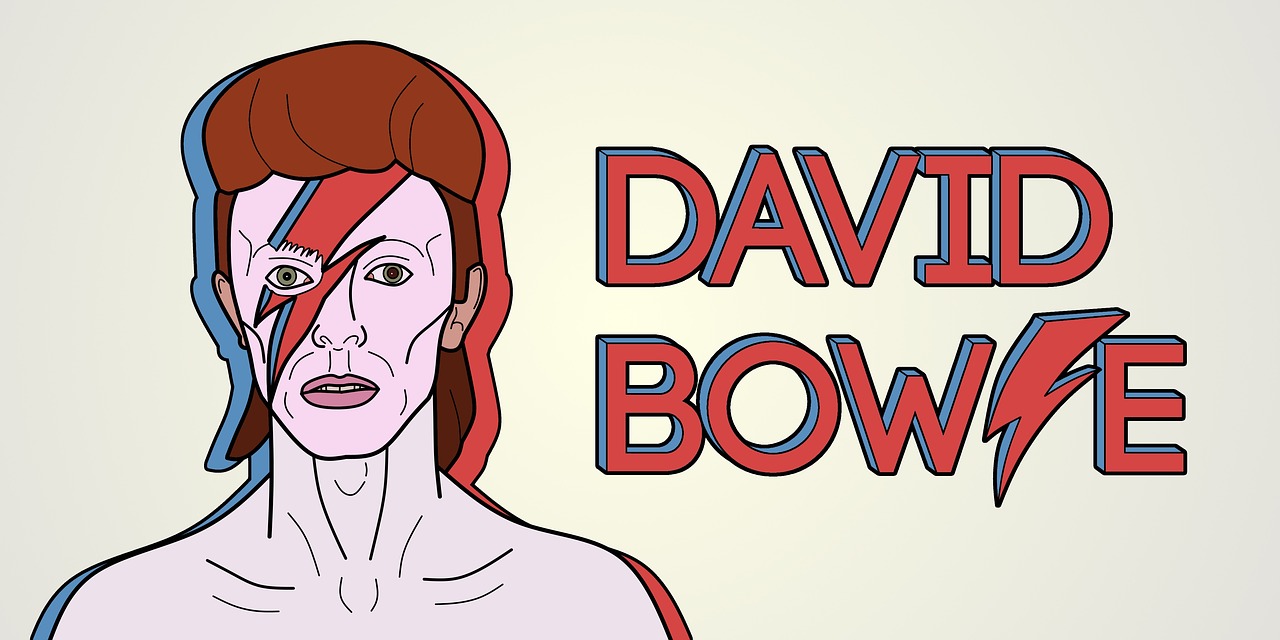

David Bowie used characters and storytelling to turn pop music into a form of theater. Instead of simply singing songs, he created fictional personalities, built worlds around them, and used costumes, lyrics, videos, and live performances to make each album feel like a chapter in a larger story. His most famous characters—including Major Tom, Ziggy Stardust, Aladdin Sane, Halloween Jack, and the Thin White Duke—helped him explore fame, identity, alienation, love, fear, and reinvention.
Bowie was not just changing outfits for attention. Each character gave him a new creative voice and allowed him to experiment with different musical styles. From glam rock and soul to electronic music and art pop, his personas often came with a fresh sound, visual identity, and emotional perspective.
Why Bowie Created Musical Characters
David Bowie understood that people connect deeply with stories. A song becomes more memorable when listeners can imagine a character, follow a journey, and feel part of a world. Bowie used this idea throughout his career, treating albums like miniature films or stage plays.
His characters also gave him freedom. As David Bowie, he could have felt pressured to stay in one musical lane. But as Ziggy Stardust, the Thin White Duke, or Halloween Jack, he could take risks, change his voice, explore unusual themes, and move between genres without seeming inconsistent. This is why Bowie is often described as a musical innovator who constantly reinvented both his sound and image.
For example, Ziggy Stardust allowed Bowie to embrace theatrical glam rock, while the Thin White Duke fit a colder, more experimental sound built around funk, soul, and electronic influences. The character was not separate from the music—it helped shape it.
Major Tom: The Lonely Astronaut
One of Bowie’s earliest and most enduring characters was Major Tom, the astronaut from “Space Oddity” (1969). In the song, Major Tom floats alone in space after separating from his capsule, creating a powerful image of isolation and uncertainty. The song arrived during the excitement surrounding the Moon landing, which made its space theme especially timely.
Major Tom was more than a science-fiction character. He represented feelings many people recognize: being distant from others, losing control, and searching for meaning in an unfamiliar world. Bowie later returned to Major Tom in songs such as “Ashes to Ashes,” turning him into a recurring figure across different stages of his career.
This was one of Bowie’s greatest storytelling strengths. He did not always abandon a character completely. Sometimes he brought them back, changed their meaning, or used them to reflect a new period in his life. That made his music feel connected, even when the sound changed dramatically.
Ziggy Stardust: Bowie’s Most Famous Persona
Ziggy Stardust is probably Bowie’s best-known character. Introduced on the 1972 album The Rise and Fall of Ziggy Stardust and the Spiders from Mars, Ziggy was a fictional rock star and alien messenger sent to Earth to bring hope to young people. The album tells Ziggy’s story from rise to downfall, making it one of Bowie’s clearest examples of a concept album.
Ziggy’s look was just as important as the music. With bright red hair, bold makeup, futuristic clothes, and an androgynous stage presence, Bowie created a visual character that audiences could immediately recognize. The performance was theatrical, but it also reflected real questions about gender, fame, sexuality, and self-expression.
Songs such as “Ziggy Stardust,” “Starman,” and “Suffragette City” helped bring the character to life. Rather than presenting Ziggy only through one song, Bowie built a full narrative: an alien-inspired star arrives, becomes famous, connects with fans, and eventually collapses under the pressure of success.
The Ziggy era made Bowie a global star. The album’s success and the accompanying tour helped bring him worldwide attention, while also pushing glam rock further into mainstream culture.
Aladdin Sane: Ziggy Goes to America
After Ziggy Stardust, Bowie introduced Aladdin Sane on his 1973 album of the same name. Bowie described the character as “Ziggy goes to America,” linking him directly to Bowie’s experiences during his 1972 United States tour.
Aladdin Sane is easy to recognize from the famous lightning bolt painted across his face. The image became one of the most iconic visuals in pop history. But the character was not simply a repeat of Ziggy. Aladdin Sane felt more fractured, glamorous, and unstable—almost like a rock star dealing with the dizzying effects of fame in America.
The music also reflected this shift. The album mixed glam rock with piano-driven rock, jazz influences, and theatrical arrangements. In this way, Bowie showed that a character could evolve rather than remain frozen in one style.
Halloween Jack and the World of Diamond Dogs
In 1974, Bowie created Halloween Jack for the album Diamond Dogs. This character emerged from a dystopian, post-apocalyptic world inspired in part by George Orwell’s Nineteen Eighty-Four. Halloween Jack wore a scarf, eye patch, and military-style clothing, giving Bowie another strong visual identity.
Diamond Dogs showed how Bowie could use storytelling to create an entire atmosphere. The songs did not just describe individual feelings; they suggested a broken society, dangerous streets, rebellion, and survival. The character of Halloween Jack helped make that world feel more vivid and cinematic.
This period also proved that Bowie’s characters did not always need to be cheerful or heroic. Some were unsettling, tragic, or morally complicated. That complexity is part of what makes his storytelling so compelling.
The Thin White Duke: A Darker Bowie
The Thin White Duke appeared in 1976 with the album Station to Station. He was a pale, sharply dressed, emotionally distant figure, often associated with Bowie’s difficult period of heavy drug use and personal instability.clinton.
Unlike Ziggy, who was colorful and outgoing, the Thin White Duke was cold, controlled, and unsettling. The character matched the music on Station to Station, which blended art rock, funk, soul, and early electronic sounds.
The Duke showed that Bowie could use a persona to explore darker emotions. He was not always trying to entertain audiences with a fun character. Sometimes, he used storytelling to express anxiety, emptiness, and transformation. This willingness to show uncomfortable sides of fame and identity helped make his work feel honest, even when it was fictional.
How Bowie Combined Music, Fashion, and Performance
Bowie’s storytelling worked because it involved more than lyrics. He treated every part of an album as part of the story.
- Lyrics introduced characters, conflicts, and settings.
- Costumes and makeup made each persona visually memorable.
- Album artwork gave fans a symbol connected to the story.
- Live shows turned songs into theatrical performances.
- Musical style matched the mood of each character.
For Ziggy, that meant glitter, bold colors, and dramatic glam rock. For the Thin White Duke, it meant a more restrained appearance and a colder, more experimental sound. Bowie understood that people experience music with their eyes as well as their ears.
This approach helped his albums feel like complete artistic projects. Fans were not only listening to songs—they were entering a world.
Why Bowie’s Characters Still Matter
David Bowie’s characters remain influential because they made it acceptable for musicians to change, experiment, and express different sides of themselves. He showed that identity does not have to be fixed. An artist can be playful, mysterious, vulnerable, glamorous, strange, or serious—all at different times.
His work also encourages listeners to think about their own identities. Characters like Ziggy Stardust and Major Tom resonate because they deal with universal experiences: wanting to belong, feeling different, chasing dreams, facing pressure, and trying to understand who you are.
Bowie’s storytelling also influenced later musicians across pop, rock, punk, hip-hop, and electronic music. Many artists now use alter egos, visual concepts, and album-length narratives, but Bowie helped show how powerful those tools could be.
The Legacy of Bowie’s Storytelling
David Bowie used characters and storytelling to make music feel larger than life. He created personas that gave his songs meaning, connected his albums to bigger ideas, and allowed him to reinvent himself again and again. From the lonely journey of Major Tom to the dazzling rise and fall of Ziggy Stardust, his characters gave listeners stories they could see, hear, and remember.
More than anything, Bowie proved that music can be theater, fashion, poetry, and personal expression all at once. His characters were not masks that hid who he was—they were creative doors that let him explore many possible versions of himself. That is why David Bowie is still remembered not only as a brilliant musician, but as one of pop music’s greatest storytellers.