Who is David Bowie’s children?

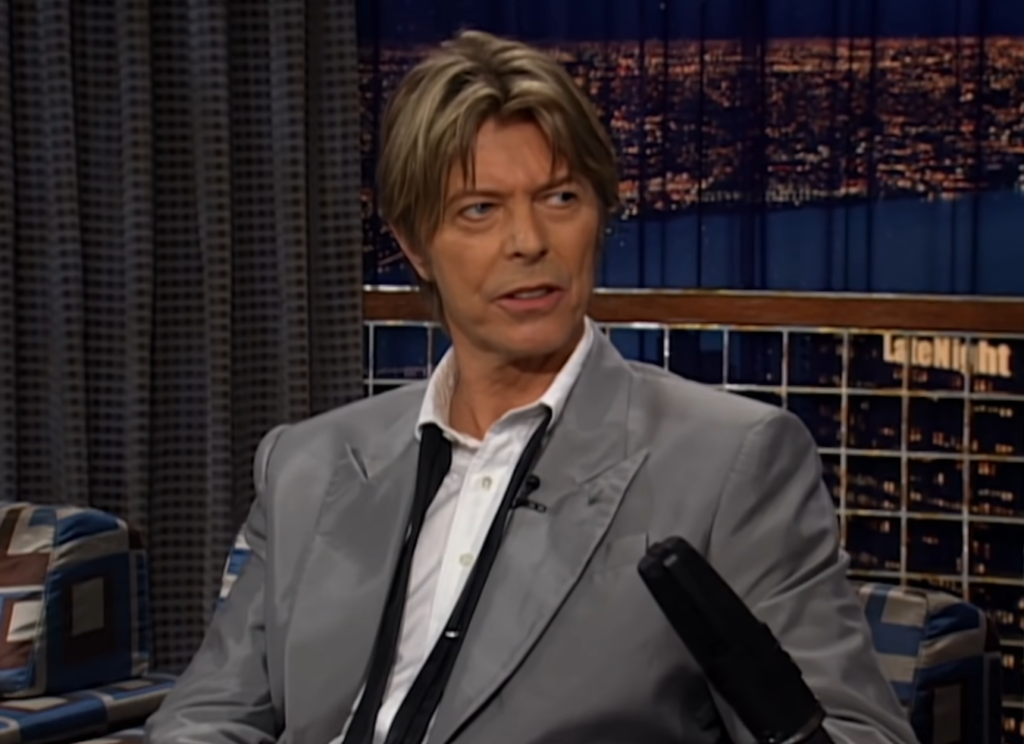
David Bowie was a legendary musician, actor, and artist who left a lasting impact on popular culture. Throughout his life, he was married twice and had two children, both of whom have gone on to successful careers of their own. In this article, we will explore the identities of David Bowie’s children and their lives today.

Duncan Jones

Duncan Jones is David Bowie’s son from his first marriage to Mary Angela Barnett, also known as Angie Bowie. He was born on May 30, 1971, in Beckenham, England, and was named Zowie Bowie at birth. However, he later changed his name to Duncan Jones.

Duncan is a successful film director, writer, and producer. He began his career in the film industry as a production assistant on his father’s 1992 film, “The Linguini Incident.” He then went on to direct his first feature film, “Moon,” in 2009, which was critically acclaimed and won several awards.

Since then, Duncan has directed several other films, including “Source Code” and “Warcraft.” He has also worked as a writer and producer on various film and television projects. In 2018, he directed an episode of the science fiction anthology series “Philip K. Dick’s Electric Dreams.”

Duncan has been open about the influence that his father had on his career, both in terms of his love for science fiction and his approach to filmmaking. He has also spoken about the impact that his father’s death had on him, saying that it made him more determined to make films that he was passionate about.

Alexandria Zahra Jones

Alexandria Zahra Jones, also known as Lexi, is David Bowie’s daughter with his second wife, Iman. She was born on August 15, 2000, in New York City, where she was raised by her parents.

Lexi has largely stayed out of the public eye, but has occasionally been seen at events with her parents. She has also been featured in some of her parents’ social media posts, where they have shared photos and videos of her over the years.

In interviews, Iman has spoken about the challenges of raising a child with a famous parent, and has said that she and David were determined to give Lexi a normal childhood. She has also spoken about the importance of instilling confidence and self-esteem in her daughter, and has praised David for being a supportive and involved father.

Lexi’s interests and career aspirations are not publicly known, but it is clear that she has inherited her parents’ creativity and passion for the arts. In a tribute to her father after his death, she shared a photo of herself with him on Instagram and wrote, “I love you more than anything else in the world. You will always be my hero, Daddy.”

In conclusion, David Bowie had two children, Duncan Jones and Alexandria Zahra Jones, both of whom have gone on to successful careers of their own. Duncan is a film director, writer, and producer, while Lexi has largely stayed out of the public eye but has shown an interest in the arts. David was a devoted father to both of his children, and his legacy as a creative force and cultural icon continues to inspire generations of fans and artists around the world.


What Did David Bowie Suffer From?

David Bowie, one of the most influential musicians of the 20th century, was known for his unique style, innovation, and creativity. However, he also suffered from a number of health issues throughout his life, including drug addiction, heart problems, and cancer.

In the 1970s, Bowie was heavily involved in drug use, particularly cocaine. He has spoken openly about his addiction, and in the late 1970s, he moved to Berlin in an effort to get clean. Bowie later described this period as a turning point in his life, and it marked the beginning of a new creative phase in his career.

In the mid-2000s, Bowie had a heart attack while on tour in Germany. He underwent emergency surgery and had a stent implanted to open up a blocked artery. After his recovery, he continued to tour and record music, but he also became more focused on his health and wellness.

In 2013, Bowie shocked the world when he released his first album in 10 years, “The Next Day.” However, the release was accompanied by rumors that Bowie was seriously ill. He had not performed live since 2006, and his appearances in public had become increasingly rare.

In January 2016, Bowie released his final album, “Blackstar.” The album was released just two days before his death, and it was widely seen as a farewell from the iconic musician. Shortly after the release of the album, it was revealed that Bowie had been diagnosed with liver cancer 18 months earlier.

Bowie’s battle with cancer was kept private, and he continued to work on music and other projects throughout his illness. However, his condition deteriorated rapidly in the months leading up to his death. He passed away on January 10, 2016, just two days after his 69th birthday.

Bowie’s death was a shock to his fans and the music world as a whole. He had been one of the most influential and innovative musicians of the 20th century, and his loss was felt deeply by many. In the wake of his death, there was an outpouring of tributes and remembrances from musicians, artists, and fans around the world.

Despite the sadness of his passing, Bowie’s legacy continues to live on. His music and style have inspired countless musicians and artists, and his influence can be seen in the work of many of today’s most popular musicians. His creativity, innovation, and willingness to take risks continue to be an inspiration to those who seek to push the boundaries of what is possible in music and art.

In conclusion, David Bowie was a musical legend who suffered from a number of health issues throughout his life. He battled drug addiction, heart problems, and ultimately, liver cancer. Despite these challenges, Bowie continued to create and innovate until the very end, leaving behind a rich and influential legacy that continues to inspire new generations of musicians and artists. While his loss was deeply felt, his impact on popular culture will continue to be felt for many years to come.

Who is David Bowie’s wife?

David Bowie was known for his music, fashion, and ever-changing persona. Throughout his life, he had several romantic relationships and was married twice. In this article, we will explore the identity of David Bowie’s wife and their relationship.

David Bowie’s first marriage was to Mary Angela Barnett, also known as Angie Bowie. The couple met in London in 1969 and were married the same year. Angie was a model and actress who had previously been married to musician and producer Mick Ronson.

During their marriage, David and Angie had one child together, a son named Duncan Jones, who is now a successful film director. However, their marriage was tumultuous, with both parties engaging in extramarital affairs and drug use. They divorced in 1980, citing irreconcilable differences.

After his divorce from Angie, David had several other relationships, including a long-term partnership with model Iman. However, in 1992, David married Iman in a private ceremony in Switzerland. Iman is a Somali-born model and actress who rose to fame in the 1980s.

Iman and David had a famously strong and loving relationship. They often appeared together on red carpets and were vocal about their love and respect for each other. In interviews, they spoke about their shared interests, including fashion and design, and their mutual admiration for each other’s work.

During their marriage, Iman and David also had a daughter together, named Alexandria Zahra Jones. Iman has spoken about the challenges of raising a child with a famous parent, but has said that she and David were committed to providing a stable and loving home for their daughter.

Sadly, David’s life was cut short when he passed away from liver cancer in 2016. Iman spoke about her grief in the aftermath of his death, saying that she had lost her “soulmate” and “the man of [her] dreams.” She has since been vocal about the importance of honoring David’s legacy and continuing to celebrate his music and impact on popular culture.

In conclusion, David Bowie was married twice, first to Angie Bowie and then to Iman. Iman, a Somali-born model and actress, was David’s second wife and the love of his life. They had a strong and loving relationship and a daughter together. David’s passing in 2016 was a profound loss for Iman and his fans around the world, but his impact on popular culture continues to be felt today. His music, fashion, and persona remain as influential as ever, and his legacy as a creative force and cultural icon will endure for generations to come.

When Did David Bowie Lose His Eye?

David Bowie was one of the most iconic and innovative musicians of the 20th century. Throughout his career, he constantly reinvented himself, creating memorable characters and groundbreaking music that defied categorization. However, one aspect of Bowie’s life that often raises questions is the story behind his distinctive mismatched eyes. Many people have heard that Bowie lost an eye, but the details of how and when this happened are less well-known. In this article, we’ll explore the story of David Bowie’s eye and how it shaped his art and his persona.

First, it’s important to clarify that David Bowie did not actually lose an eye. Rather, he suffered an injury to his left pupil that left it permanently dilated, giving the appearance of two different-colored eyes. The injury occurred in 1962 when Bowie was just 15 years old. According to Bowie’s own account, he was involved in a fight with a friend over a girl. During the scuffle, Bowie was punched in the left eye and fell to the ground. The force of the impact caused the pupil to become permanently dilated, which gave the eye its distinctive appearance.

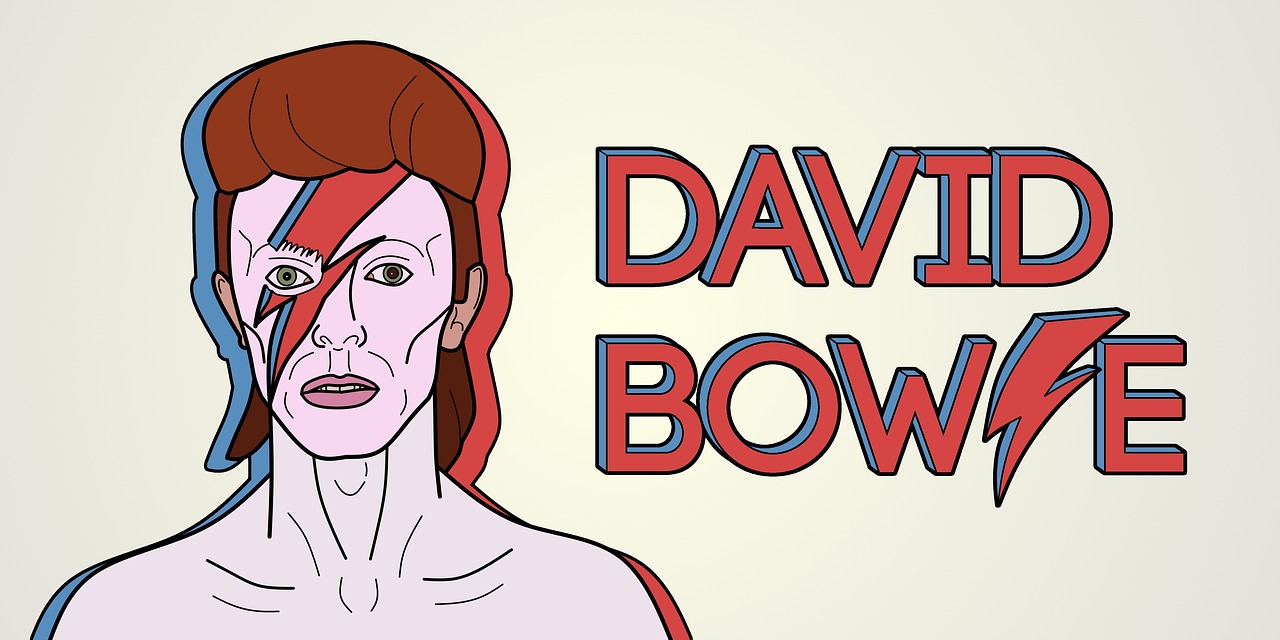
The injury had a profound impact on Bowie’s life and career. In interviews, Bowie has spoken about feeling self-conscious and embarrassed by his eye. He has said that he wore an eye patch for a time to cover it up, but eventually decided to embrace his unique appearance. In an interview with Rolling Stone magazine in 1973, Bowie explained that his eye had become a “badge of honor” that set him apart from other musicians. He even went so far as to create a character, Ziggy Stardust, who also had mismatched eyes as a way to further embrace his difference.

Bowie’s eye also had a practical effect on his music. In the early years of his career, Bowie struggled to find success as a musician. However, his unusual appearance and eccentric style began to attract attention, and he soon found himself gaining a following of fans who were drawn to his otherworldly persona. Bowie’s music began to reflect his outsider status, with songs that explored themes of alienation, identity, and the search for meaning.

The 1970s were a particularly fruitful period for Bowie, both musically and creatively. He released a series of groundbreaking albums, including “The Rise and Fall of Ziggy Stardust and the Spiders from Mars,” “Aladdin Sane,” and “Diamond Dogs,” that cemented his reputation as one of the most innovative artists of his generation. Bowie’s music was often accompanied by elaborate stage shows and costumes, which further reinforced his otherworldly persona.

In the years that followed, Bowie continued to push boundaries and challenge expectations. He experimented with different musical styles, from soul and funk to electronic and industrial, and collaborated with a wide range of artists, from Iggy Pop to Brian Eno. Bowie’s music and style continued to evolve throughout his career, culminating in his final album, “Blackstar,” which was released just two days before his death in January 2016.

Throughout his life, David Bowie’s eye remained a key part of his identity and his art. Although he may have initially felt self-conscious about it, he ultimately came to embrace it as a symbol of his uniqueness and creativity. Bowie’s music and his persona continue to inspire and influence artists today, and his legacy is sure to endure for generations to come.

One of the most interesting aspects of Bowie’s use of his eye was the way in which it intersected with his exploration of gender and sexuality. Bowie’s androgynous appearance and flamboyant style challenged traditional ideas about masculinity and femininity, and his music often explored themes of sexuality and sexual identity. In songs like “John, I’m Only Dancing” and “Boys Keep Swinging,” Bowie played with gender roles and sexual norms, blurring the lines between male and female, straight and gay.

Bowie’s embrace of his unique appearance and his willingness to challenge societal norms made him a cultural icon and a hero to many. His music and his persona continue to inspire and influence artists across a wide range of genres, from pop and rock to hip-hop and electronic music. Bowie’s ability to reinvent himself and to continually push boundaries has earned him a place in the pantheon of great artists, and his impact on music and culture is sure to be felt for many years to come.

In conclusion, David Bowie’s eye was not lost but injured during a fight at the age of 15, leaving his left pupil permanently dilated. While this injury could have caused him to feel self-conscious, Bowie instead embraced his unique appearance as a symbol of his creativity and individuality. His eye, along with his otherworldly persona and groundbreaking music, made him a cultural icon and a hero to many. Bowie’s impact on music and culture is sure to endure for many years to come, and his legacy as an innovative artist and a champion of individuality and self-expression will continue to inspire future generations.